



What to Know About Electric Car Depreciation Before You Buy
The sticker tag tells only a fraction of the story when you are shopping for an electric vehicle. Understanding electric car depreciation matters because resale value is often the single largest cost of ownership. Superior Mazda wants you to know what affects it before you sign anything — read on to learn what you need to know before you buy.
Why Electric Vehicles Lose Value Differently
EVs have historically depreciated faster than comparable gasoline vehicles. Average five-year EV depreciation sits near 59 percent, while a typical gasoline-powered car loses closer to 45 percent over the same window. Several forces push that number: rapid battery and range improvements make older models feel dated, federal and state incentive shifts move the new-purchase price, and uncertainty about long-term battery health discounts older vehicles in the pre-owned market. However, those curves are flattening as the pre-owned EV market matures and verifying battery condition becomes easier.
What Helps or Hurts Resale Value
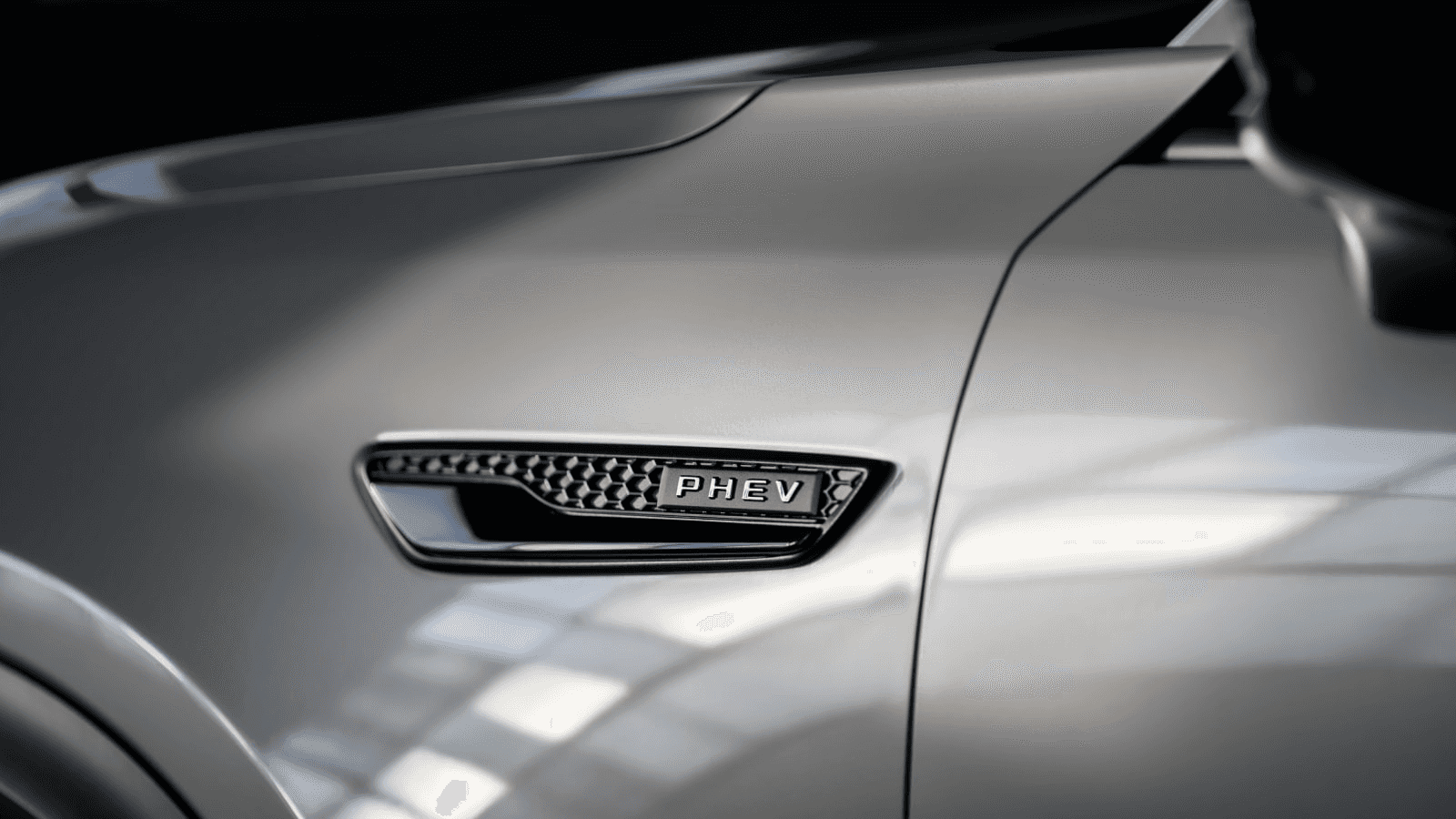
Not every electric vehicle loses value at the same rate. Brand strength, range, charging speed, and charging network maturity all influence resale. Plug-in hybrid models — including the Mazda CX-70 PHEV and Mazda CX-90 PHEV — sometimes hold value differently because a gasoline backup neutralizes range anxiety in the pre-owned market.
Battery health documentation is becoming the make-or-break factor for individual transactions, and vehicles with verifiable maintenance histories command stronger prices than those without.
The Full Ownership Math Beyond Electric Car Depreciation
Depreciation is only part of total cost of ownership. Studies covering 2025 and 2026 consistently show electrified vehicles cost roughly 30 to 40 percent less in maintenance over five years thanks to no oil changes, fewer brake pad replacements through regenerative braking, and far fewer fluid services overall. Lower per-mile fuel costs further offset depreciation, and the equation often tilts back toward electrification once you factor in real-world driving patterns and home-charging access.
Talk Electrification With Superior MAZDA
The right answer depends on how long you plan to keep the vehicle, how many miles you drive each year, and how much charging access you have at home. Our Mazda dealership serving Northwest Arkansas can walk you through the trade-offs between gasoline, hybrid, and plug-in hybrid options across the lineup. Ask our team about Mazda financing, subject to credit approval, while you sort out which powertrain matches your life.