



Five Differences Between EV and Hybrid Vehicles
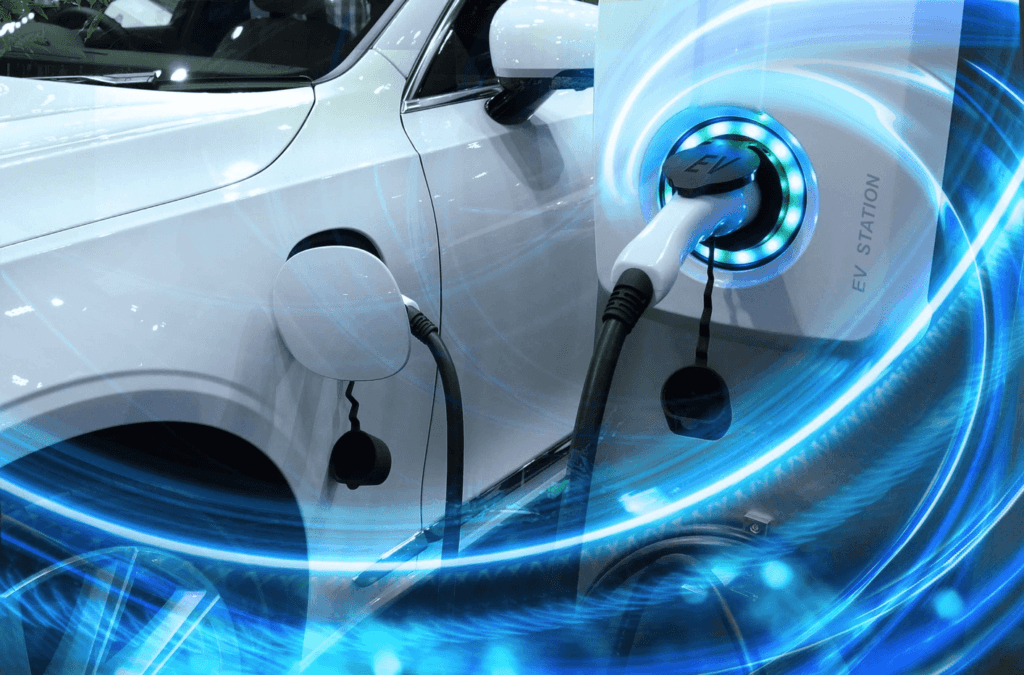
You don’t need to be an environmentalist to find hybrids and EVs attractive. The price of gas alone has more car shoppers thinking of transitioning away from traditional internal combustion engine (ICE) vehicles for hybrids, PHEVs, and EVs.
The differences between these vehicles are very important if you’re shopping for new or used cars in Bentonville AR.
1. Power Source
The most obvious difference lies in how each type of vehicle is powered.
- A traditional car like a Mazda CX-5 deploys a gasoline, diesel, or flex fuel-capable engine
- A hybrid has a gasoline engine, plus a battery pack that powers one or more electric motors
- A plug-in hybrid is similar to a conventional hybrid, but capable of being plugged in for limited all-electric range
- An electric vehicle relies on the battery pack as its sole power source
2. Emissions
You’ll occasionally find hybrids at our Mazda dealership in Bentonville, AR that are designated “PZEV,” which stands for “partial-zero emissions vehicles.” However, they don’t clear the higher bar set for the ULEV (Ultra Low Emissions Vehicle) designation.
Even though they generally produce fewer emissions than a car that’s gas-only, they can’t hold a candle to EVs’ zero-emissions performance.
3. Hybrid vs EV Range
For now, at least, hybrids have a clear range advantage, outperforming comparable ICE vehicles and EVs alike; it’s not uncommon for a hybrid to be able to wring 600 miles’ worth of range from a single tank of gas. While EV range has improved, it still lags behind other powertrain types.
4. Maintenance
Hybrids have all the components of an EV, plus all of the components of an ICE vehicle. As a result, their maintenance is more complex than EVs, which are mechanically much simpler and require less effort and cost to maintain.
5. Warranty Coverage
For all their differences, hybrids and EVs do share some features in common. Besides their battery packs, and regenerative braking that converts brake force back to electricity, these vehicles tend to have battery warranties that augment manufacturers’ bumper-to-bumper and powertrain limited warranties.
EV or Hybrid? Make an Informed Decision at Superior Mazda
Each powertrain type has its advantages and drawbacks. Equally to the point, however, each also feels much different because of construction, weight, and other considerations.
For this reason, it’s helpful to try out multiple powertrains and trims to discover what you like best. For help on your car-buying journey, including generous Mazda financing, visit Superior Mazda today.